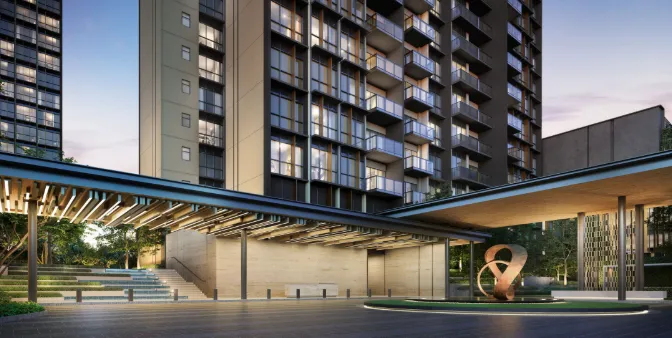
A Quiet Expression of Elegance
Discover the Subtle Luxury Hidden Within Lucerne Grand Singapore luxury is often mistaken for excess. Grand gestures, elaborate ornamentation, and overt displays of wealth dominate common perceptions. Yet the most enduring form of refinement reveals itself through restraint. Within Lucerne Grand, elegance is communicated through nuance rather than spectacle. The design does not compete for attention. It invites observation. Subtle transitions between materials, carefully calibrated lighting, and balanced proportions create an atmosphere that feels composed rather than performative. This quiet expression of luxury resonates more deeply, offering an experience that matures with time rather than fading after initial impression.
The Language of Space and Proportion
Space is not defined solely by dimensions. It is shaped by how those dimensions are orchestrated. Interiors here demonstrate an acute sensitivity to proportion, ensuring that each area feels intentional and harmonious. Movement within the residence unfolds naturally, guided by a layout that prioritizes flow over rigidity. This approach eliminates unnecessary constraints, allowing inhabitants to interact with their environment intuitively. The result is a living experience that feels expansive without excess, where every square meter contributes meaningfully to comfort and usability.
Material Integrity as a Foundation of Quality
Surface appeal can be deceiving. Materials that appear impressive initially may deteriorate quickly under regular use. The distinction lies in integrity. Within this development, material selection reflects a commitment to longevity as well as aesthetics. Textures are chosen not only for visual cohesion but for their tactile qualities and resilience. Finishes maintain consistency across different elements, reinforcing a sense of unity. This attention to material integrity ensures that the environment retains its character over time, resisting the gradual decline that diminishes many contemporary spaces.
Light as an Architectural Element
Light is often treated as an afterthought, yet it possesses the capacity to transform space profoundly. Here, it is integrated as a fundamental component of design. Natural illumination is directed strategically, enhancing depth and highlighting architectural features without overwhelming them. Shadows are not eliminated but controlled, adding dimension and contrast. This interplay between light and form creates an environment that evolves throughout the day. Morning brightness invigorates, while evening softness cultivates calm. The space becomes dynamic, responding to natural rhythms rather than remaining static.
Privacy Without Isolation
Urban density frequently challenges the notion of privacy. Close proximity between residences can lead to a sense of intrusion, diminishing comfort. Thoughtful planning addresses this issue by creating separation without disconnection. The arrangement of units, combined with acoustic considerations, minimizes external disturbances. Circulation paths are designed to reduce unnecessary overlap, preserving personal space while maintaining accessibility. This balance allows residents to enjoy solitude without feeling detached from the surrounding environment, a quality that enhances both comfort and well being.
Amenities That Complement Rather Than Compete
Amenities are often designed to impress rather than integrate. This approach results in features that feel disconnected from daily life. In contrast, the facilities within this development are conceived as extensions of the living experience. They support routine rather than disrupt it. Spaces for relaxation, wellness, and social interaction are positioned with intention, encouraging engagement without imposing it. This subtle integration ensures that amenities remain relevant and accessible, enhancing quality of life without overwhelming it.
A Location That Enhances Everyday Living
The value of a residence extends beyond its physical structure. Its surroundings play a critical role in shaping the overall experience. Here, location contributes to both convenience and composure. Access to key destinations remains efficient, reducing the friction of daily movement. At the same time, the immediate environment offers a sense of calm that contrasts with the intensity of the broader urban landscape. This duality creates a living experience that is both connected and insulated, allowing residents to engage with the city on their own terms.
Cohesion as the Defining Principle
Design cohesion is often underestimated, yet it determines whether a space feels complete. Disjointed elements create subtle discomfort, even when individual components are well executed. Within this development, cohesion is maintained across every aspect. Architectural forms, interior finishes, and spatial arrangements align with a unified vision. This consistency reinforces a sense of order and balance, enhancing the overall experience. It ensures that the environment feels intentional rather than assembled, a distinction that defines true refinement.
Enduring Value Through Subtle Excellence
Sustained appeal is rarely achieved through excess. It is cultivated through careful consideration and disciplined execution. The integration of thoughtful design, material integrity, and spatial harmony creates an environment that retains its relevance over time. In this context, Lucerne Grand represents more than a residential development. It embodies an approach to living where luxury is not imposed but discovered gradually, revealing its depth through everyday experience.
About the Author