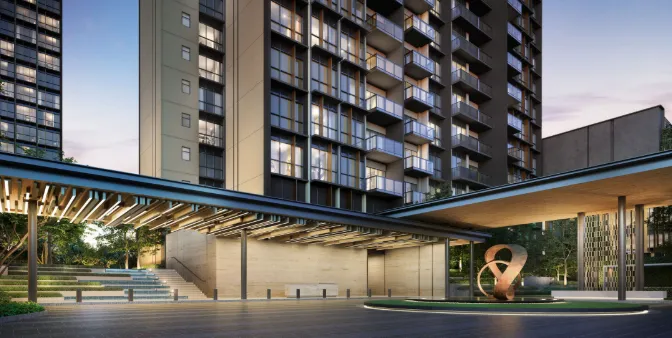
The property market has always been a cornerstone of economic growth, shaping communities and influencing lifestyles. As we stand on the brink of a new decade, the future of property is being redefined by technological advancements, shifting demographics, and evolving consumer preferences. The next ten years will witness a transformation that goes beyond mere bricks and mortar, embracing sustainability, digital innovation, and flexible living solutions. This evolution is not just about where we live but how we live, work, and interact with our surroundings. Understanding these trends is crucial for investors, homeowners, and policymakers alike, as they navigate a landscape that promises both challenges and unprecedented opportunities.
Introduction & Background
Property has long been considered one of the most stable and lucrative investment avenues. Historically, real estate has provided steady returns, acted as a hedge against inflation, and offered tangible assets to diversify portfolios. However, the traditional property market is no longer immune to disruption. Factors such as climate change, urbanization, and the rise of remote work are reshaping demand and supply dynamics. Governments worldwide are introducing stricter regulations on energy efficiency, pushing the industry toward greener alternatives. Meanwhile, the global pandemic accelerated the adoption of digital tools, making virtual property tours and blockchain-based transactions the new norm. These shifts signal a fundamental change in how properties are bought, sold, and managed, setting the stage for a decade of innovation and adaptation.
Concept & Overview
The future of property revolves around creating spaces that are not only functional but also adaptive to the changing needs of society. At its core, this transformation is driven by three key pillars: technology, sustainability, and flexibility. Technology is enabling smarter homes, efficient property management, and seamless transactions through tools like artificial intelligence and the Internet of Things. Sustainability is becoming a non-negotiable standard, with green buildings reducing carbon footprints and operational costs. Flexibility is redefining the concept of home, as remote work blurs the lines between living and working spaces. Together, these pillars are reimagining the property landscape, making it more responsive to environmental and social challenges while enhancing the quality of life for occupants.
Key Features & Highlights
- Smart Homes and Automation: The integration of smart technology into residential and commercial properties is revolutionizing how we interact with our living spaces. From automated lighting and climate control to advanced security systems, smart homes are enhancing convenience, security, and energy efficiency. Devices connected through the Internet of Things allow homeowners to monitor and control their properties remotely, optimizing resource usage and reducing costs.
- Sustainable and Green Building Practices: The push for sustainability is reshaping construction standards. Developers are increasingly adopting eco-friendly materials, energy-efficient designs, and renewable energy sources to meet regulatory demands and consumer expectations. Features such as solar panels, rainwater harvesting systems, and green roofs are becoming commonplace, reducing the environmental impact of buildings and lowering utility bills for occupants.
- Co-Living and Flexible Spaces: The rise of co-living spaces caters to the growing demand for affordable, community-oriented living arrangements, particularly among young professionals and digital nomads. These spaces offer shared amenities and flexible lease terms, providing a balance between privacy and social interaction. Similarly, commercial properties are evolving to include hybrid workspaces that accommodate both in-office and remote work, reflecting the changing nature of employment.
- Virtual and Augmented Reality in Property Transactions: The property buying process is becoming more accessible and immersive through virtual and augmented reality technologies. Potential buyers can now take 3D virtual tours of properties, eliminating the need for physical visits and speeding up decision-making. Augmented reality is also being used to visualize renovation possibilities, helping homeowners and investors plan projects more effectively.
- Blockchain and Digital Transactions: Blockchain technology is streamlining property transactions by providing secure, transparent, and efficient processes. Smart contracts automate and verify agreements, reducing the risk of fraud and eliminating intermediaries like brokers and lawyers. This innovation is particularly beneficial in markets with complex legal systems, accelerating the transfer of ownership and increasing trust among parties.
Frequently Asked Questions / Pros & Cons
What are the most promising property trends for the next decade?
The most promising trends include the rise of smart homes, sustainable building practices, co-living spaces, and the adoption of blockchain for transactions. These trends are driven by technological advancements and a growing emphasis on environmental responsibility and flexibility in living arrangements. Investors and developers who align with these trends are likely to see significant returns and long-term viability.
What are the challenges facing the future of property?
The primary challenges include high initial costs for green technology and smart home integrations, regulatory hurdles in adopting new building standards, and the need for widespread digital literacy among consumers. Additionally, the shift toward flexible living spaces may not appeal to all demographics, particularly older generations who prefer traditional homeownership. Economic uncertainties and fluctuating interest rates also pose risks to both investors and homeowners.
What are the benefits of investing in sustainable properties?
Investing in sustainable properties offers multiple benefits. Environmentally, they reduce carbon emissions and resource consumption. Financially, they often come with lower utility costs, government incentives, and higher resale values due to increasing consumer demand. Socially, they contribute to healthier living environments and can enhance community well-being. As regulations tighten around energy efficiency, sustainable properties are also less likely to face compliance issues.
How is technology changing the way we buy and sell property?
Technology is making the property market more transparent, efficient, and accessible. Virtual tours and online platforms allow buyers to explore properties remotely, reducing time and travel costs. Blockchain technology ensures secure and quick transactions by automating contracts and verifying ownership. Artificial intelligence is being used to analyze market trends, predict property values, and personalize recommendations for buyers and sellers. These advancements are democratizing the property market, making it easier for a wider range of people to participate.
Practical Guidance & Solutions
For those looking to navigate the evolving property landscape, staying informed and adaptable is key. Investors should focus on properties that incorporate smart technology and sustainable features, as these are likely to appreciate in value and attract long-term tenants. Developers must prioritize green building certifications and flexible designs to meet regulatory standards and consumer demand. Homeowners can benefit from retrofitting their properties with energy-efficient upgrades, which not only reduce costs but also increase comfort and marketability.
Leveraging digital tools is essential for both buyers and sellers. Utilizing virtual reality tours and online valuation tools can streamline the process and broaden the audience. For those interested in co-living or flexible spaces, researching emerging neighborhoods and trends in urban migration can provide valuable insights. Additionally, engaging with real estate professionals who specialize in sustainable and tech-forward properties can offer a competitive edge.
Governments and policymakers also play a critical role in shaping the future of property. Incentivizing green construction through tax breaks or subsidies can accelerate the adoption of sustainable practices. Investing in infrastructure to support remote work, such as high-speed internet in rural areas, can reduce urban congestion and promote balanced regional development. By fostering collaboration between the public and private sectors, policies can be created that support innovation while ensuring equitable access to quality housing.
Conclusion
The next decade will be a defining period for the property market, marked by innovation, sustainability, and adaptability. As technology continues to evolve and environmental concerns take center stage, the way we live, work, and invest in property will undergo a profound transformation. The trends shaping this future are not merely passing fads but fundamental shifts that reflect broader societal changes. For investors, homeowners, and developers, the key to success lies in embracing these changes proactively. By prioritizing smart, sustainable, and flexible solutions, the property sector can not only meet the demands of the present but also pave the way for a more resilient and inclusive future. The journey ahead is one of opportunity, and those who navigate it wisely will stand at the forefront of a redefined real estate landscape.
About the Author