Introduction & Background
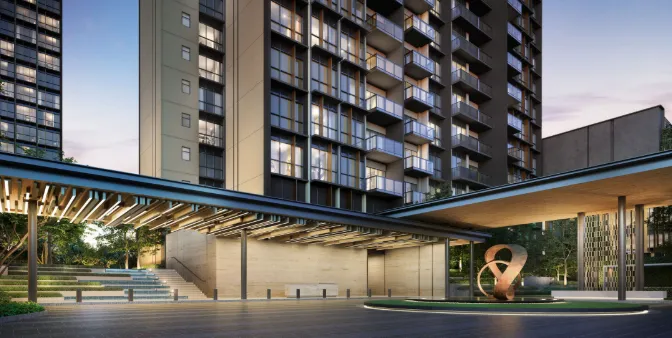
The world is at a crossroads where environmental sustainability and urban development must coexist harmoniously. As climate change accelerates and natural resources dwindle, the real estate industry faces increasing pressure to adopt practices that reduce carbon footprints and promote long-term ecological balance. Sustainable real estate development is no longer a niche concept but a necessity for shaping resilient cities and communities. From reducing energy consumption to fostering healthier living spaces, this transformation is reshaping how we think about construction, design, and urban planning. Governments, investors, and consumers alike are recognizing the value of sustainable buildings, not only for their environmental benefits but also for their economic advantages. This shift represents a fundamental change in the real estate sector, one that prioritizes the well-being of both people and the planet.
Concept & Overview
Sustainable real estate development refers to the planning, construction, and operation of buildings and communities that minimize environmental impact while maximizing social and economic benefits. At its core, this approach integrates innovative design, advanced materials, and smart technologies to create structures that are energy-efficient, resource-conserving, and adaptable to changing conditions. Unlike conventional real estate projects, which often prioritize short-term gains, sustainable developments focus on long-term sustainability through strategies such as renewable energy integration, water conservation, and waste reduction. The concept is rooted in several key principles, including the use of eco-friendly materials, the implementation of green building certifications, and the promotion of walkable, transit-oriented neighborhoods. By aligning economic growth with environmental stewardship, sustainable real estate development aims to create spaces that are not only profitable but also beneficial for future generations.
Key Features & Highlights
- Energy Efficiency: Sustainable buildings incorporate advanced insulation, high-performance windows, and smart HVAC systems to minimize energy consumption. Features such as solar panels, geothermal heating, and passive solar design further reduce reliance on non-renewable energy sources.
- Water Conservation: Innovative water management systems, such as rainwater harvesting, greywater recycling, and low-flow fixtures, help reduce water waste. Landscaping designs that use native, drought-resistant plants also contribute to conservation efforts.
- Eco-Friendly Materials: The use of recycled, reclaimed, or rapidly renewable materials, such as bamboo, cork, and reclaimed wood, reduces the environmental impact of construction. These materials often have lower embodied carbon and contribute to healthier indoor air quality.
- Smart Technology Integration: IoT-enabled devices, automated systems, and data analytics optimize building performance by monitoring energy use, indoor air quality, and occupancy patterns. These technologies enable real-time adjustments to enhance efficiency and comfort.
- Green Certifications: Certifications such as LEED (Leadership in Energy and Environmental Design), BREEAM (Building Research Establishment Environmental Assessment Method), and WELL Building Standard validate a building’s sustainability credentials. These standards provide guidelines for best practices in design, construction, and operation.
- Community-Centric Design: Sustainable developments prioritize walkability, public transportation access, and mixed-use zoning to reduce car dependency. Green spaces, communal areas, and pedestrian-friendly pathways foster social interaction and enhance quality of life.
- Waste Reduction & Circular Economy: By adopting circular economy principles, sustainable real estate projects aim to minimize waste through design for disassembly, reuse of materials, and on-site recycling programs. These practices extend the lifecycle of building components and reduce landfill contributions.
Frequently Asked Questions / Pros & Cons
What are the primary benefits of investing in sustainable real estate?
Investing in sustainable real estate offers multiple advantages. First, these properties typically have lower operating costs due to energy and water efficiency, resulting in higher net operating income for owners. Second, they attract environmentally conscious tenants and buyers, leading to stronger market demand and potentially higher property values. Third, sustainable buildings often qualify for tax incentives, grants, and favorable financing terms, reducing the overall cost of ownership. Finally, they contribute to a company’s corporate social responsibility goals, enhancing brand reputation and stakeholder trust.
How do sustainable buildings impact tenant health and productivity?
Sustainable buildings prioritize indoor environmental quality, which includes better air circulation, natural lighting, and the use of non-toxic materials. Studies have shown that occupants in green-certified buildings experience fewer respiratory issues, allergies, and headaches. Improved indoor air quality can also enhance cognitive function and productivity, particularly in office settings. Additionally, access to natural light and views of green spaces has been linked to lower stress levels and improved mental well-being.
What are the challenges associated with sustainable real estate development?
One of the main challenges is the higher upfront costs associated with sustainable materials, technologies, and certifications. While these expenses are often offset by long-term savings, they can be a barrier for some developers and investors. Another challenge is the need for specialized knowledge and expertise in green building practices, which may require additional training or hiring consultants. Regulatory hurdles and varying standards across regions can also complicate the certification process. Furthermore, resistance to change from traditional construction practices and market skepticism can slow adoption rates.
Are sustainable buildings more expensive to build than conventional ones?
While sustainable buildings can have higher initial construction costs, typically ranging from 0 to 10 percent more than conventional buildings, these expenses are often recouped through operational savings. Energy-efficient systems reduce utility bills, water conservation measures lower water expenses, and durable materials decrease maintenance and replacement costs over time. Additionally, green buildings tend to have higher occupancy rates and rental premiums, which can further offset the initial investment. Life cycle cost analysis shows that sustainable buildings are generally more cost-effective in the long run.
Can small-scale developers participate in sustainable real estate, or is it only for large firms?
Sustainable real estate development is accessible to developers of all sizes. Small-scale developers can adopt incremental sustainability measures, such as using energy-efficient appliances, incorporating recycled materials, or designing for natural ventilation. Many green building certifications offer streamlined pathways for smaller projects, making it easier to achieve recognition without the need for extensive resources. Collaboration with local governments, nonprofits, and green building councils can also provide support and incentives for smaller developers to embrace sustainable practices.
Practical Guidance & Solutions
For developers and investors looking to transition into sustainable real estate, the following steps can serve as a roadmap for success:
Start with a clear sustainability strategy: Define specific goals, such as achieving a certain green certification, reducing energy consumption by a target percentage, or incorporating a percentage of recycled materials. Align these goals with broader business objectives to ensure buy-in from stakeholders.
Engage stakeholders early: Involve architects, engineers, contractors, and future tenants in the planning process to ensure that sustainability goals are integrated from the outset. Collaboration fosters innovation and helps identify cost-effective solutions.
Leverage available resources and incentives: Research local, national, and international programs that offer grants, tax credits, or low-interest loans for sustainable building projects. Many governments provide financial incentives to encourage green development, and green building councils often offer educational resources and networking opportunities.
Prioritize energy and water efficiency: Invest in high-performance building envelopes, smart meters, and renewable energy systems to minimize resource consumption. Conduct energy audits to identify areas for improvement and implement water-saving fixtures and landscaping designs that reduce outdoor water use.
Choose the right certification path: Select a green building certification that aligns with the project’s goals and regional requirements. LEED is widely recognized globally, while BREEAM is popular in Europe. The WELL Building Standard focuses on occupant health and wellness, making it ideal for residential and commercial projects alike.
Monitor and optimize performance: Use building management systems and IoT devices to track energy and water usage, indoor air quality, and tenant feedback. Regularly review performance data to identify opportunities for further improvements and ensure the building operates at peak efficiency.
Educate tenants and occupants: Foster a culture of sustainability by providing training on best practices for energy and water conservation, waste reduction, and indoor environmental quality. Encourage tenants to participate in green initiatives, such as composting programs or car-sharing schemes, to maximize the building’s overall impact.
Conclusion
The future of real estate lies in sustainability, and the industry is already witnessing a transformative shift toward greener, smarter, and more resilient developments. Sustainable real estate is not merely a trend but a fundamental evolution that addresses pressing environmental challenges while unlocking new economic opportunities. As technology advances and consumer awareness grows, the demand for eco-friendly buildings will continue to rise, making sustainability a key differentiator in the market. By embracing this change, developers, investors, and communities can create spaces that are not only profitable but also regenerative, contributing to a healthier planet for generations to come. The journey toward sustainable real estate development is one that requires collaboration, innovation, and a commitment to long-term thinking. The time to act is now, and the rewards, both for people and the planet, are immeasurable.
About the Author