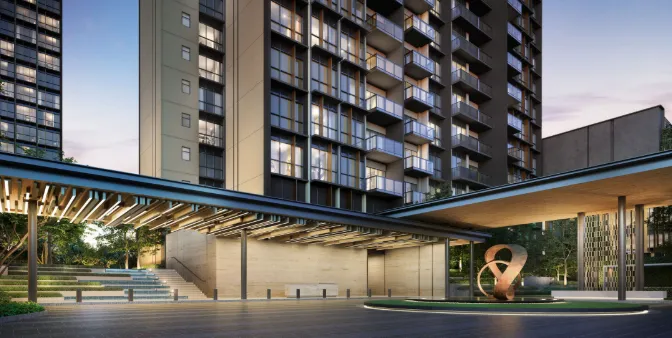
A balcony is more than just an architectural feature; it’s a personal oasis. This is where we drink morning coffee; get engrossed in a good book or where we just love to take fresh air. However, while a well-maintained balcony repair services adds immense value and enjoyment to a property, a neglected one can pose a serious safety risk and diminish the home’s value. Many homeowners are quick to apply a new coat of paint or seal the deck as a quick fix, believing it will solve underlying problems. But a fresh coat of paint can often hide the critical warning signs that your balcony is in need of professional repair, a task that goes far beyond a simple cosmetic touch-up.
Understanding these signs is not just about aesthetics; it’s about structural integrity and, most importantly, safety. Taking the time to perform a thorough inspection can be the difference between a minor repair and a major disaster.
The Silent Threats: Cracks, Rust, and Discoloration
One of the most obvious yet often overlooked signs of a balcony in distress is the presence of cracks, rust, or unusual discoloration. A hairline crack in a concrete or masonry balcony might seem insignificant, but it can be a gateway for moisture. Over time, water seeps into these cracks, freezes, and opens up, this opens up the crack even further and also weakens the structural integrity of the balcony. This mechanism is called the freeze-thaw cycle and is one of the most serious damages especially in climates where the temperatures change frequently.
Similarly, rust on metal components like railings, support beams, or even embedded rebar in a concrete slab is a critical warning sign. Rust is more than just an eyesore; it indicates metal corrosion, which weakens the material and reduces its load-bearing capacity. If you see rust stains seeping from within a concrete balcony, it’s a strong indication that the rebar inside is corroding and expanding, a process known as spalling. This forces the concrete to flake away, severely weakening the structure.
The Sloping Balcony: A Drainage Dilemma
A balcony should have a slight slope, known as a grade, which directs water away from the building’s foundation and towards a proper drainage system. If you notice that your balcony slopes in an unusual direction, sags in the middle, or has areas where water pools after a rain shower, it’s a significant cause for concern.
An improperly graded or sagging balcony indicates a structural issue, often caused by weakened support beams, rotted joists, or a foundational shift. This is not something that a simple resurfacing can fix. A professional contractor needs to assess the underlying framework to determine if it has lost its integrity. A sagging balcony not only poses a collapse risk but also creates drainage problems that can lead to water damage in the walls of the home itself.
The Unseen Dangers: Flashing and Caulking Failure
That part of the framing into which the deck ledger fits is called the ledger board. This connection is one of the most vulnerable points on a balcony. It’s protected by a metal flashing and a layer of caulking, which work together to prevent water from seeping into the building’s walls. When this flashing fails or the caulk cracks and peels away, water can penetrate the wall, causing wood rot in the structural components of both the balcony and the house. This can lead to a complete structural failure of the balcony and extensive water damage inside the home.
A visual inspection of this area is crucial. Look for peeling caulk, gaps in the flashing, or water stains on the siding below the balcony. This is not a cosmetic issue; it’s a critical point of failure that requires professional attention to ensure the safety of the entire structure.
The Importance of a Professional Assessment
While many of these signs are visible to the naked eye, the true extent of the damage often requires the expertise of a professional. A professional contractor or structural engineer can provide a comprehensive assessment, using their knowledge to identify underlying issues that a homeowner might miss. They can pinpoint the source of the problem, recommend the appropriate repairs, and ensure that all work is done to meet safety codes and standards.
A new coat of paint can make a damaged balcony look good, but it will never fix a weakened support beam or a rotting ledger board. The beauty of a balcony is in its safety and its durability. By recognizing and responding to these warning signs, you are not just protecting your investment; you are safeguarding your home and everyone who uses it.
About the Author