Introduction & Background
As urban landscapes expand and natural resources face increasing pressure, the need for innovative land development strategies has never been more critical. Traditional approaches to land use often prioritize short-term economic gains over long-term sustainability, leading to environmental degradation and social inequities. This article explores how creative land development strategies can reshape the terrain of urban and rural areas, fostering sustainable growth that balances ecological health, economic viability, and community well-being. By rethinking conventional paradigms, cities and regions can transition toward models that not only meet the demands of today but also preserve the opportunities of tomorrow.
Concept & Overview
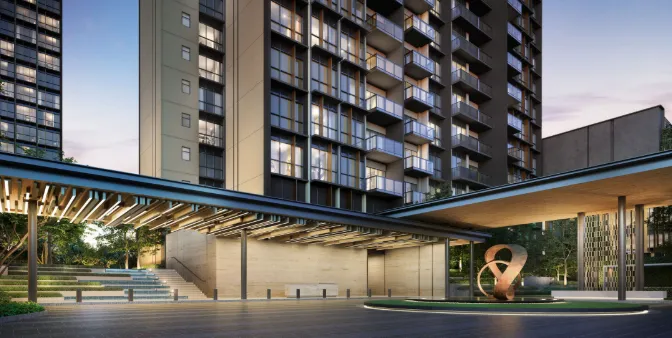
Creative land development strategies encompass a range of innovative approaches designed to optimize land use while minimizing environmental impact and maximizing social and economic benefits. At their core, these strategies emphasize integration, adaptability, and foresight. They challenge the notion that land development must be a zero-sum game where expansion inevitably comes at the expense of nature or community needs. Instead, they advocate for multi-functional landscapes where buildings, green spaces, and infrastructure coexist harmoniously. Key principles include sustainable design, circular economy principles, and participatory planning, all aimed at creating resilient and thriving environments.
Key Features & Highlights
- Mixed-Use Zoning: Combining residential, commercial, and recreational spaces in a single area to reduce urban sprawl and encourage walkability. This approach fosters vibrant communities where people live, work, and play in close proximity.
- Green Infrastructure Integration: Incorporating parks, wetlands, green roofs, and permeable pavements to manage stormwater, improve air quality, and enhance biodiversity. These systems not only serve ecological functions but also boost property values and public health.
- Adaptive Reuse of Existing Structures: Transforming abandoned buildings, industrial sites, or underutilized land into productive spaces such as affordable housing, cultural hubs, or urban farms. This strategy conserves resources and preserves the historical fabric of communities.
- Community-Led Planning: Engaging residents, local organizations, and stakeholders in the decision-making process to ensure that development aligns with the needs and priorities of the people who inhabit the space. This bottom-up approach fosters ownership and sustainability.
- Technology-Driven Solutions: Leveraging smart technologies, data analytics, and geographic information systems (GIS) to optimize land use, monitor environmental impacts, and predict future trends. These tools enable more precise and responsive planning.
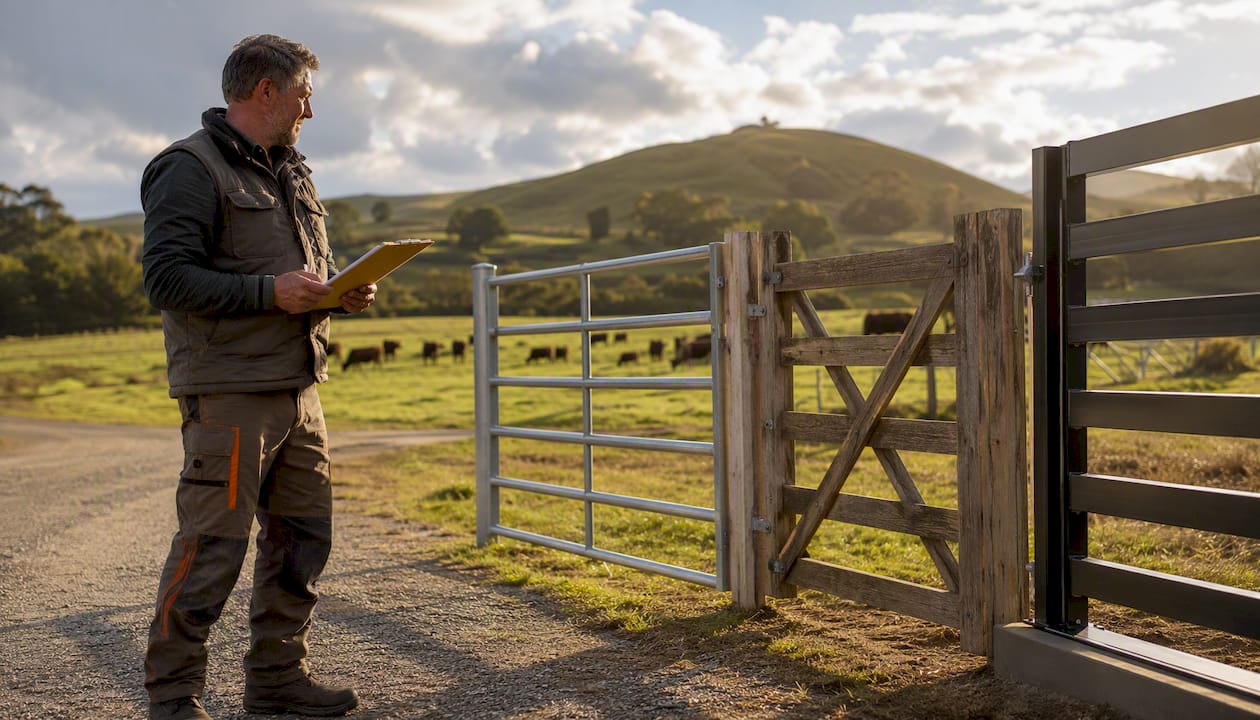
- Regenerative Agriculture Practices: Implementing farming techniques that restore soil health, sequester carbon, and enhance biodiversity. When integrated into urban or peri-urban areas, these practices can create food security while revitalizing local economies.
Frequently Asked Questions / Pros & Cons
What are the primary benefits of creative land development strategies?
Creative land development strategies offer numerous advantages, including reduced environmental impact through conservation and restoration, enhanced community well-being via accessible green spaces and amenities, and economic resilience by creating diverse income opportunities. They also improve public health by reducing pollution and promoting active lifestyles, and they foster social cohesion by encouraging inclusive and participatory planning processes.
What are the potential challenges or drawbacks?
One of the main challenges is the initial cost and complexity of implementing innovative strategies, which may require significant investment in technology, research, and stakeholder engagement. Resistance to change from traditional developers or local governments can also pose obstacles. Additionally, balancing the interests of different stakeholders, such as investors, residents, and environmental groups, can be difficult. Ensuring that these strategies are inclusive and do not inadvertently displace vulnerable communities is another critical concern.
How do creative land development strategies differ from conventional approaches?
Conventional land development often prioritizes rapid expansion and profit maximization, frequently at the expense of environmental and social considerations. In contrast, creative strategies emphasize long-term sustainability, ecological restoration, and community-centered design. They integrate multiple functions into a single space, use adaptive reuse of existing assets, and employ participatory processes to ensure that development meets the needs of all stakeholders.
Practical Guidance & Solutions
To successfully implement creative land development strategies, stakeholders must adopt a collaborative and iterative approach. Here are actionable steps to guide the process:
1. Conduct a Comprehensive Needs Assessment: Before planning, gather data on community needs, environmental conditions, and economic opportunities. Engage with residents, local businesses, and environmental experts to identify priorities and challenges. This foundational step ensures that the development plan is grounded in reality and addresses real issues.
2. Foster Partnerships Across Sectors: Collaboration between government agencies, private developers, non-profits, and community groups can pool resources, expertise, and funding. Public-private partnerships, for example, can facilitate large-scale projects that might be too costly or complex for any single entity to undertake. Partnerships with academic institutions can also provide research and innovation support.
3. Prioritize Flexibility and Adaptability: Design spaces and infrastructure with the future in mind. Use modular building techniques, temporary structures, and multi-functional spaces that can evolve as needs change. This approach reduces the risk of obsolescence and allows communities to adapt to new challenges, such as climate change or shifting economic conditions.
4. Invest in Green Infrastructure: Allocate resources to projects that enhance natural systems, such as urban forests, rain gardens, and restored waterways. These investments not only provide ecological benefits but also improve quality of life and attract investment. Consider incentives like tax breaks or grants to encourage private developers to incorporate green elements into their projects.
5. Engage in Transparent and Inclusive Planning: Establish ongoing dialogue with the community through workshops, surveys, and public forums. Use digital platforms to reach a broader audience and ensure that voices from all demographic groups are heard. Transparency in decision-making builds trust and increases the likelihood of successful implementation.
6. Monitor and Evaluate Progress: Implement systems to track the impact of development projects on environmental, social, and economic indicators. Use this data to make informed adjustments and share results with stakeholders. Regular evaluation helps demonstrate the value of creative strategies and justifies continued investment.
Conclusion
Reimagining the terrain through creative land development strategies is not just an environmental imperative but a pathway to building more resilient, equitable, and thriving communities. By embracing principles of sustainability, collaboration, and innovation, cities and regions can transform their landscapes into models of responsible growth. The journey requires commitment, creativity, and a willingness to challenge the status quo, but the rewards, cleaner environments, stronger economies, and more cohesive societies, are well worth the effort. As we look to the future, the integration of these strategies will define not only the physical spaces we inhabit but also the quality of life we enjoy for generations to come.
About the Author