Introduction & Background
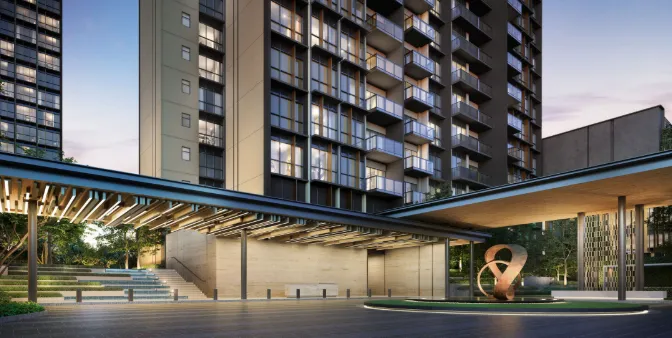
The housing industry stands at the brink of a transformative era in 2024, driven by rapid technological advancements, shifting consumer preferences, and pressing environmental concerns. As urbanization accelerates and climate change becomes an ever-present challenge, the way we design, build, and inhabit homes is evolving at an unprecedented pace. This year marks a pivotal moment where innovation meets necessity, reshaping residential spaces to be more sustainable, efficient, and adaptable than ever before. From modular tiny homes to AI-driven smart dwellings, the future of housing is not just about shelter, it is about creating environments that enhance well-being, reduce carbon footprints, and embrace flexibility in an unpredictable world.
Concept & Overview
The cutting-edge housing trends of 2024 revolve around three core principles: sustainability, technology integration, and adaptability. Sustainability is no longer a buzzword but a fundamental requirement, with homes now expected to minimize environmental impact through energy efficiency, renewable materials, and circular design. Technology integration goes beyond smart thermostats and voice assistants, embedding AI, IoT, and automation to create seamless, predictive living experiences. Adaptability addresses the growing demand for spaces that can evolve with changing lifestyles, whether through flexible floor plans, multi-functional furniture, or modular construction. Together, these principles are redefining what it means to live in a modern home, making housing solutions more resilient, inclusive, and future-proof.
Key Features & Highlights
- Net-Zero Energy Homes: Homes designed to produce as much energy as they consume through solar panels, geothermal heating, and high-performance insulation. These structures often feature smart energy management systems that optimize usage in real time.
- 3D-Printed Housing: Affordable, rapid construction using large-scale 3D printers to create durable, customizable homes with reduced material waste. This technology is particularly impactful in addressing housing shortages and enabling quick disaster relief housing.
- Biophilic Design: A trend that integrates natural elements like indoor plants, water features, and natural light into home interiors to improve mental health and air quality. Buildings now incorporate vertical gardens, living walls, and large glass facades to blur the lines between indoor and outdoor spaces.
- Co-Living & Co-Housing Communities: Shared living spaces designed for affordability and social connection, often catering to young professionals, remote workers, and seniors. These communities emphasize communal areas, shared resources, and collaborative economies to foster a sense of belonging.
- Modular & Prefabricated Homes: Pre-built sections of homes constructed off-site and assembled on location, offering cost savings, faster build times, and reduced disruption. These homes can be expanded, reconfigured, or relocated as needed, providing long-term flexibility.
- Smart Home Automation: AI-powered systems that learn residents’ habits to control lighting, climate, security, and entertainment. Voice assistants, facial recognition, and predictive analytics are becoming standard features in high-tech homes.
- Passive House Standards: Ultra-energy-efficient buildings that maintain comfortable temperatures through superior insulation, airtight construction, and heat-recovery ventilation. These homes drastically cut energy bills and reduce reliance on heating and cooling systems.
- Urban Farming Integration: Homes equipped with hydroponic systems, rooftop gardens, or integrated greenhouse spaces to grow food locally. This trend supports sustainability while promoting healthier eating habits and reducing food miles.
Frequently Asked Questions / Pros & Cons
What are the benefits of 3D-printed homes?
The primary benefits include speed of construction, cost efficiency, and sustainability. 3D printing reduces labor costs and material waste while enabling complex designs that are difficult to achieve with traditional methods. These homes can also be built in remote or disaster-prone areas more quickly than conventional housing.
How do net-zero energy homes save money in the long run?
While the initial investment in net-zero homes is higher, they eliminate or drastically reduce utility bills by generating their own energy. Over time, homeowners recoup the upfront costs through savings on electricity, heating, and cooling. Additionally, these homes often qualify for tax credits and rebates, further improving affordability.
What are the challenges of adopting smart home technology?
Some challenges include high upfront costs, compatibility issues between different devices, and concerns about data privacy. Homeowners may also face a learning curve when integrating multiple smart systems. However, as technology becomes more standardized and affordable, these hurdles are gradually diminishing.
Is biophilic design just an aesthetic trend, or does it have real health benefits?
Biophilic design goes beyond aesthetics. Studies show that exposure to natural elements in indoor spaces can reduce stress, improve air quality, and boost cognitive function. Incorporating greenery and natural light into homes has been linked to lower blood pressure and enhanced mood, making it a valuable investment for well-being.
Are modular homes as durable as traditionally built homes?
Yes, modular homes are built to meet the same building codes and standards as traditional homes. In fact, because they are constructed in controlled factory environments, they often have fewer defects and higher precision than site-built homes. Their durability is comparable, if not superior, to conventional construction methods.
Practical Guidance & Solutions
For homeowners and developers looking to embrace the housing trends of 2024, the first step is to assess individual or community needs. Start by evaluating priorities such as budget, location, and lifestyle preferences. For those interested in sustainability, consider investing in a passive house or net-zero energy home, and explore government incentives for green building. If affordability is a concern, modular or 3D-printed homes offer cost-effective alternatives without sacrificing quality.
Technology integration should be approached with a focus on scalability. Begin with essential smart home features like energy monitoring and security systems, then expand to more advanced automation as needed. For renters or those in urban areas, co-living spaces provide a flexible and social housing option that aligns with modern living trends.
When planning a home, prioritize adaptability by choosing modular furniture, movable walls, and multi-purpose rooms that can evolve with changing needs. Incorporating biophilic design elements does not require a complete overhaul; small changes like adding indoor plants or maximizing natural light can yield significant benefits. Finally, stay informed about local regulations and building codes to ensure compliance, especially when adopting innovative construction methods like 3D printing or prefabrication.
Conclusion
The housing landscape of 2024 is defined by a bold fusion of innovation and necessity, where every trend reflects a deeper commitment to sustainability, efficiency, and human-centric design. From the rise of net-zero energy homes to the proliferation of smart automation and co-living communities, the future of housing is not just about building structures, it is about creating ecosystems that nurture both people and the planet. As technology continues to advance and environmental pressures intensify, these trends will only gain momentum, reshaping our homes into spaces that are not only functional but also regenerative and resilient. For those ready to embrace change, 2024 offers an unparalleled opportunity to unlock a smarter, greener, and more adaptable way of living. The future of housing is here, and it is brimming with possibilities for those willing to take the leap.
About the Author